
Newsletters & Educational Videos
Your Holistic Doc NEWSLETTER
-

2026 COVID and FLU Quandary
The COVID and FLU Quandary IVERMECTIN HAS ARRIVED and treats both fast THE COVID VACCINE QUANDARY and what to consider for upcoming COVID prevention and treatment Unfortunately, COVID just ain't...
2026 COVID and FLU Quandary
The COVID and FLU Quandary IVERMECTIN HAS ARRIVED and treats both fast THE COVID VACCINE QUANDARY and what to consider for upcoming COVID prevention and treatment Unfortunately, COVID just ain't...
-

Natural Safe Appetite Suppression created by th...
CALOCURB Introducing your solution. You say you have done everything to lose pounds and inches and it is still not coming off? You are eating a healthy diet very similar...
Natural Safe Appetite Suppression created by th...
CALOCURB Introducing your solution. You say you have done everything to lose pounds and inches and it is still not coming off? You are eating a healthy diet very similar...
-
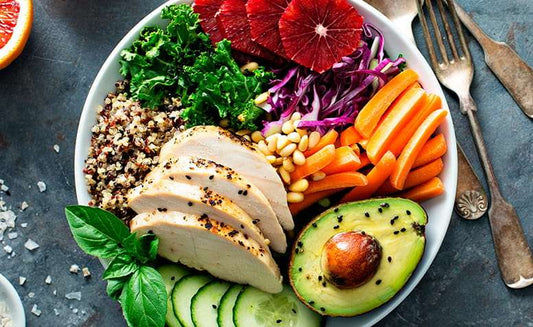
The Mediterranean Diet
The Mediterranean diet is as much a lifestyle as it is a diet. It denotes a lifestyle with food based on eating wholesome food prepared at home and prepared fresh....
The Mediterranean Diet
The Mediterranean diet is as much a lifestyle as it is a diet. It denotes a lifestyle with food based on eating wholesome food prepared at home and prepared fresh....
-

BRAIN HEALTH
The Connection between Building New Brain Cells and Stress Reduction Stress is omnipresent, and its prevalence is increasing globally. Lion's Mane Ashwagandha Stress is omnipresent, and its prevalence is...
BRAIN HEALTH
The Connection between Building New Brain Cells and Stress Reduction Stress is omnipresent, and its prevalence is increasing globally. Lion's Mane Ashwagandha Stress is omnipresent, and its prevalence is...
-
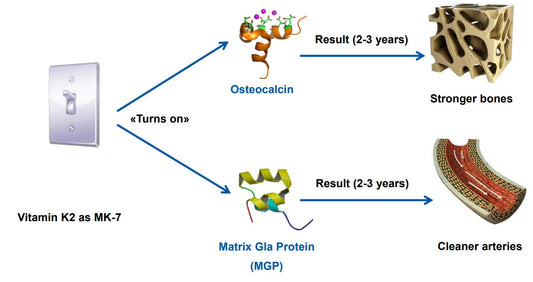
CALCIFIED BONES NOT VESSELS!
Envision Yourself Healthy and be PROACTIVE ...The Rest will Follow Let's keep our health a priority....ALWAYS Ariane Cometa MD your holistic doc
CALCIFIED BONES NOT VESSELS!
Envision Yourself Healthy and be PROACTIVE ...The Rest will Follow Let's keep our health a priority....ALWAYS Ariane Cometa MD your holistic doc


Your holistic doc videos
THE CHOLESTROL MYTH SERIES
The Natural Ozempic Series: Lose unwanted pounds and inches
Kenny Clemons - Personal Trainer Videos
-

Natural Appetite Suppression success by the Ancients
Natural Safe Appetite SuppressionYou say you have done everything to lose pounds and inches
and it is still not coming off? You are eating a healthy diet very similar to
my Mediterranean Diet recommendations and even worked hard to institute the
Natural Ozempic Program, and it’s only working so well for you? You are also routinely
burning calories through cardiovascular exercise?Successful weight management is now a global health concern
as more than 43% of adults are categorized as overweight or obese. Long term
weight management requires LIFELONG lifestyle modification, not higher-force
interventions such as pharmaceutical or surgical intervention. Naturally
derived compounds, with favorable safety profiles and the ability to powerfully
suppress appetite and cravings, represent an appealing option for ongoing
weight management.Appetite regulation is orchestrated by a complex network of
physical and chemical signals, with enteroendocrine hormones serving as some of
the most powerful drivers of hunger and satiety. Under normal physiology,
orexigenic hormones such as ghrelin rise during fasting and between meals,
while anorexigenic hormones including GLP-1, CCK and PYY are released after
eating. Specialized enteroendocrine cells in the gastrointestinal tract release
these hormones in a dose- and time-dependent manner in response to nutrient
intake.Bitter plant compounds have long been recognized for their
role in modulating appetite. Historically, certain cultures intentionally
consumed bitter plants to help manage hunger during extended travel or periods
of limited food availability. These compounds stimulate bitter (TAS2R)
receptors located throughout the gastrointestinal tract, triggering an enhanced
anorexigenic hormone response (GLP-1, CCK and PYY). Activation of these
receptors by non-toxic bitter plant extracts can support optimal appetite regulation,
providing a natural, targeted strategy for modern weight management.BACKGROUND
In 2010, the New Zealand government funded a large grant to
investigate the appetite suppressive effects of bitter plant compounds as a
potential treatment option for weight management. After investigating over
1,000 different plant compounds in vitro, the researchers concluded that a
native New Zealand hops extract produced the strongest TAS2R stimulation and
consequential enhanced release of anorexigenic (GLP-1, CCK and PYY) hormonal
response, indicating the strongest appetite suppressant effect. The researchers
named the extract Amarasate®, derived from Latin, meaning “bitter satiation.”In 2019, the first clinical study on Amarasate® was
conducted in a randomized, double-blind trial investigating its appetite
suppressive effects during a 24-hour, water-only fast. Participants given
Amarasate® or placebo at hours 16 and 20 were evaluated for hunger and satiety
with a standard visual analog scale (VAS) every 30 minutes after capsule
administration. Amarasate® participants reported an 80% reduction in hunger
elevation scores compared to the placebo group. In a comparable water-fast
study conducted in women, Amarasate® supplementation led to a 100% suppression
of hunger elevation and a 120% reduction in food cravings relative to placebo.A more expansive study of adult men sought to correlate the
subjective reduction in hunger from the first study with anorexigenic
biomarkers, specifically GLP-1, CCK and PYY. The study also sought to
investigate which was more efficacious, intragastric or intraduodenal delivery
of Amarasate®. In the randomized, double-blind study, the subjects were given
either placebo, intraduodenal Amarasate® (delayed-release capsule), or
intragastric Amarasate® (immediate-release capsule) one hour before an ad
libitum meal and subsequent snack. Both Amarasate® delivery methods had
significant elevations in GLP-1, CCK and PYY; however, the intragastric capsule
also had significantly more adverse events than the intraduodenal capsule
likely due to the high amount of TAS2R bitter receptors in the stomach.
Intraduodenal delivery of Amarasate® resulted in 600% elevation from baseline
of GLP-1 and CCK, and 50% elevation of PYY.CLINICAL
CONSIDERATIONSAmarasate® is a potent and effective appetite modulator,
offering a targeted approach to supporting satiety and caloric control. It can
be used independently or integrated into a comprehensive strategy for weight
loss or maintenance. Calocurb® CLINICAL may be co-administered with weight-loss
medications to help manage breakthrough hunger or used during medication
tapering to support appetite control. Alternatively, Calocurb® CLINICAL can
also be used as needed to support adherence to time-restricted eating or to
help manage appetite and craving increases that may occur premenstrually. -
Column
Pair text with an image to focus on your chosen product, collection, or blog post. Add details on availability, style, or even provide a review.
-
Column
Pair text with an image to focus on your chosen product, collection, or blog post. Add details on availability, style, or even provide a review.
