

Why Andrographis Is Gaining Attention for Immune & Respiratory Support
Andrographis paniculata has a long history of traditional use for respiratory and seasonal health. Today, standardized andrographis extracts are attracting attention as supplement brands look beyond conventional vitamins and minerals for science-supported botanical ingredients.
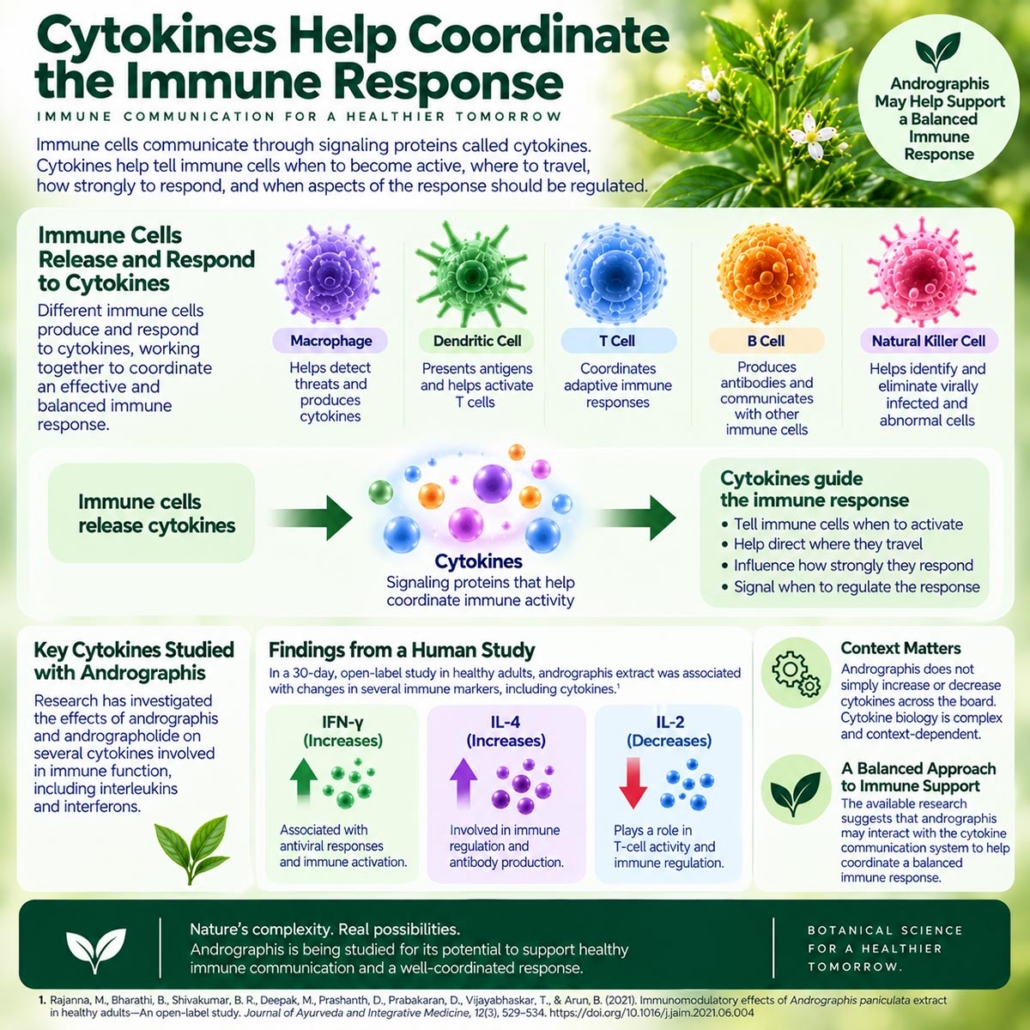
Much of the human research on andrographis centers on upper respiratory health. Researchers have also investigated andrographolide and other constituents for their interactions with immune cells and inflammatory signaling.
For supplement brands, this creates an interesting opportunity. Andrographis can bring botanical differentiation and a more focused respiratory-wellness story to immune support products.
However, this is not an ingredient brands should select based on name recognition or extract weight alone. Plant part, extract standardization, delivered andrographolide content, dose, format, taste, safety, and evidence quality all matter when developing a commercially viable formula.
What Is Andrographis?
A Traditional Botanical with Modern Research Interest
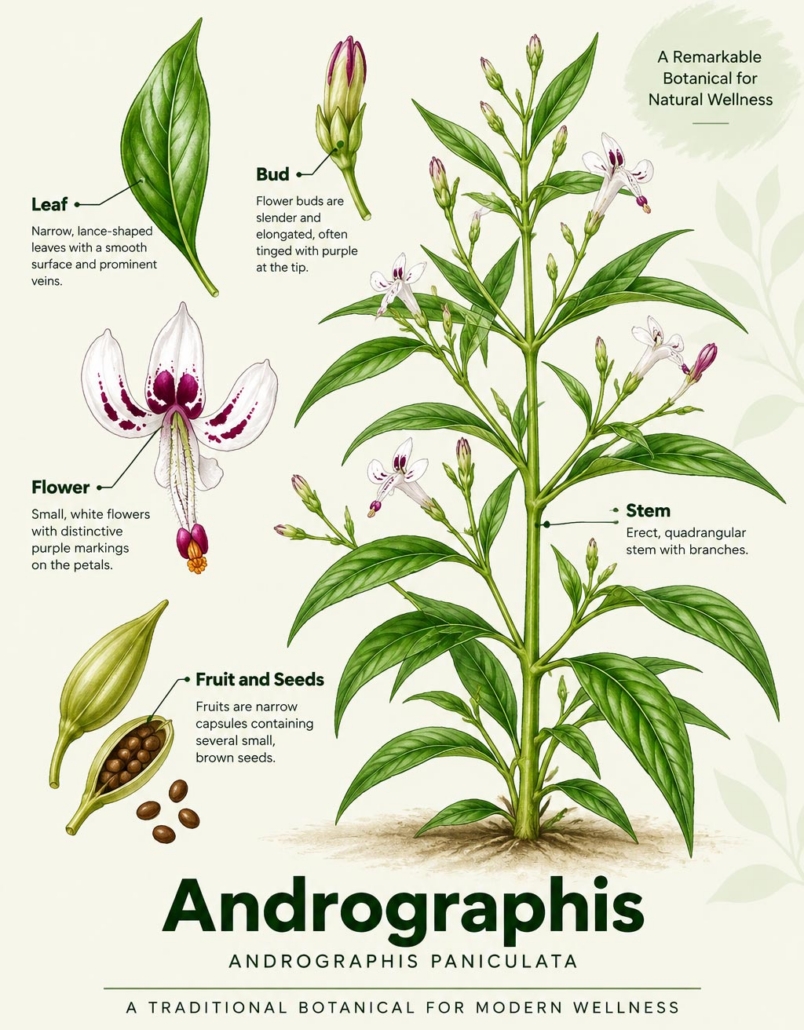
Andrographis paniculata is an herbaceous plant in the Acanthaceae family. It grows throughout tropical and subtropical regions of Asia and has a long history of use in traditional Indian, Chinese, Thai, and other Asian systems of medicine.
Different parts of the plant have been used traditionally, including the leaves, stems, roots, and sometimes the whole plant. However, the aerial parts — the above-ground leaves and stems — are especially important in modern herbal preparations.
This distinction matters for supplement development because phytochemical composition can vary by plant part, geography, harvest timing, and processing.
Andrographolide and related diterpenoids can occur in different portions of the plant, but leaves are particularly relevant as a source of andrographolide.
For formulators, “andrographis extract” is therefore not a complete raw-material specification. The plant part should be identified alongside extraction method, extract ratio or other extract characterization, standardization, and delivered andrographolide content.
Andrographis is also widely known as the “king of bitters.” Its pronounced bitterness is more than an interesting botanical characteristic — it has direct implications for dosage-form selection and sensory development.
Andrographolide Is the Key Compound to Know
Andrographis contains numerous phytochemicals, including diterpenoids and flavonoids. Andrographolide, a labdane diterpene lactone, is its best-known bioactive constituent and one of the principal compounds investigated in modern research.
Other diterpene lactones, including neoandrographolide and 14-deoxyandrographolide, have also been identified. Their relative composition can vary among plant materials and extracts.
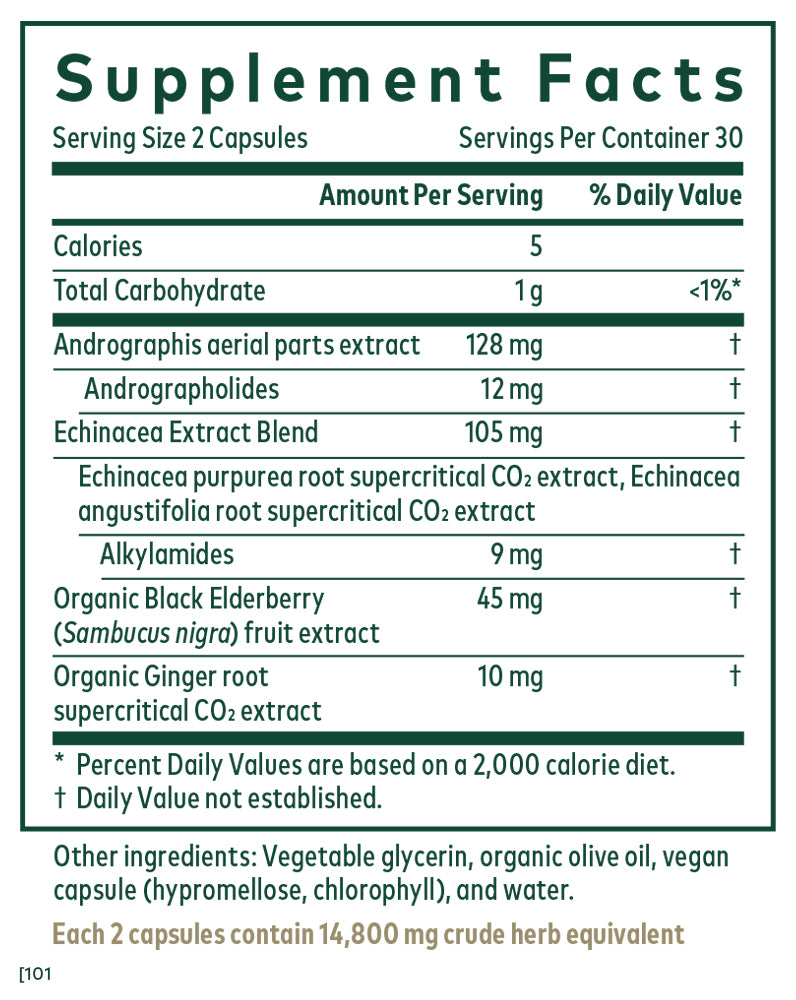
For supplement development, andrographolide is especially important because it can serve as a standardization marker. Rather than evaluating an ingredient solely by the number of milligrams of andrographis extract, formulators can determine how much standardized active material the finished serving actually delivers.
That leads to one of the most important formulation principles for this ingredient:
Plant part + extract specification + andrographolide content matter more than extract weight alone.
Why Is Andrographis Used in Immune Support Supplements?
Andrographis has become associated with immune support largely because of its traditional use and a growing body of research involving respiratory wellness.
Respiratory Health Gives Andrographis a More Focused Story
Unlike ingredients positioned primarily around general immune maintenance, much of the human research on andrographis has examined upper respiratory health.
For supplement brands, this gives andrographis a more specific formulation story than generic “immune boosting.”
A stronger product-development strategy is to consider andrographis within an immune + respiratory wellness platform. That positioning connects more naturally with the existing human evidence while distinguishing andrographis from foundational immune nutrients such as vitamin C and zinc.
It also gives brands an opportunity to build a more targeted seasonal product rather than adding another botanical to an overcrowded general immunity blend.